


Backstage passes were never meant to be saved. They were made for utility: backstage access, crew credentials, security checkpoints. But like a setlist scribbled on a napkin or a guitar pick tossed into the crowd, they’ve become artifacts. The best of them tell a story: who was there, what was happening, and why it mattered.
Whether you’re a die-hard collector or just music-curious, these ten laminate passes have earned their place in the hall of fame.
1. Woodstock 1969 – Technical Staff Pass

Why it matters: Ground zero for modern music festivals.
Design: Raw, typewritten look: practical, not polished.
Thrown together with minimal design and maximum urgency, the technical staff passes from Woodstock reflect the scrappy nature of the event itself. There was no branding, no fanfare just a simple ID that said you were inside the eye of the countercultural hurricane. For collectors, it’s less about aesthetics and more about what it represents: access to one of the most legendary weekends in rock history.
2. Grateful Dead – 1970s/80s Crew Passes
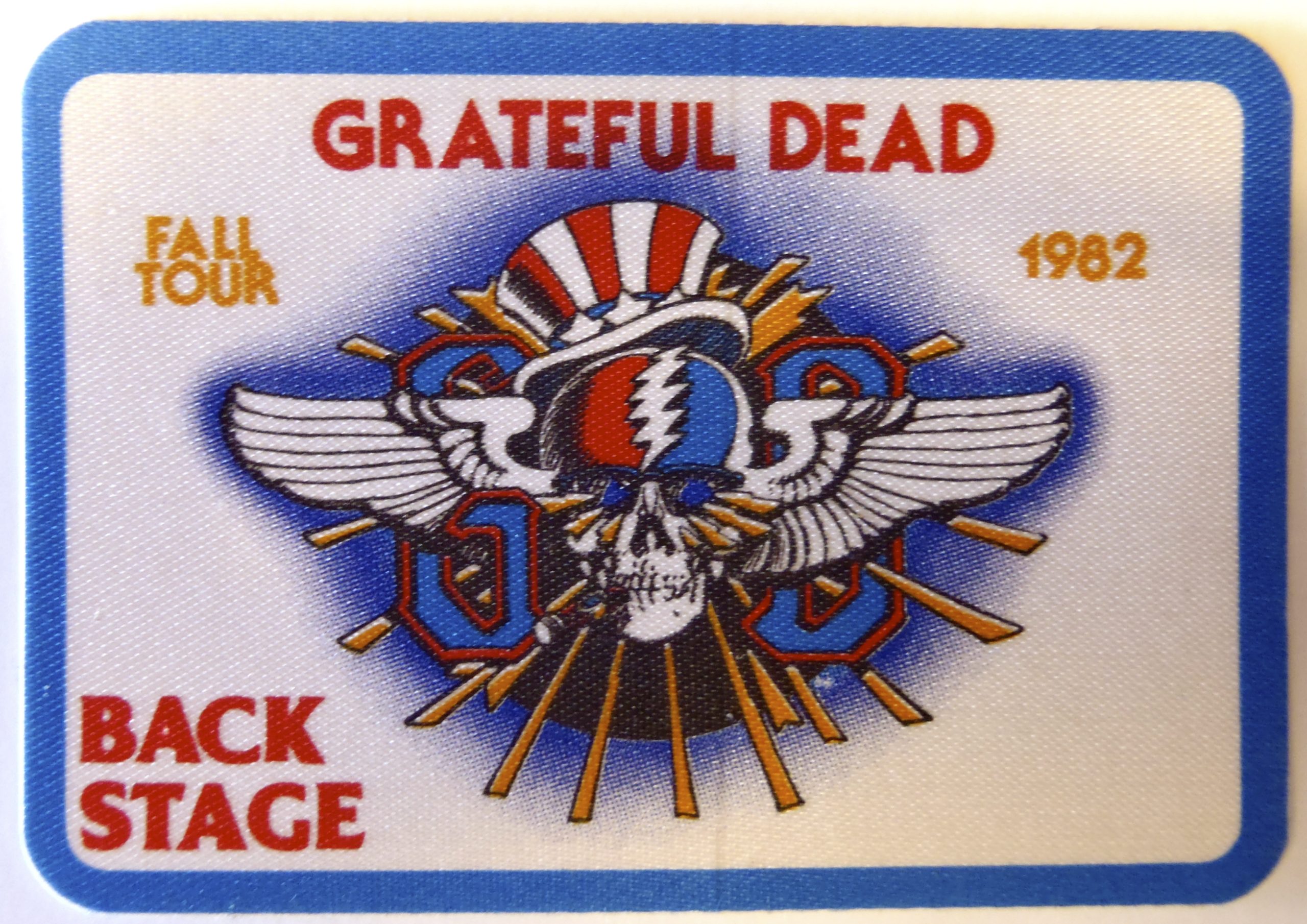
Why it matters: Folk art meets tour culture.
Design: Hand-drawn, psychedelic, often printed in small runs.
The Grateful Dead’s laminate passes often looked like something pulled from an underground zine. Each tour brought its own aesthetic, sometimes created by artists in the band’s inner circle. These were never generic, they were personal, symbolic, and often strange. That creativity, paired with their scarcity, makes them some of the most sought-after laminates in music memorabilia circles.
3. Nirvana – 1993 ‘In Utero’ Tour Pass
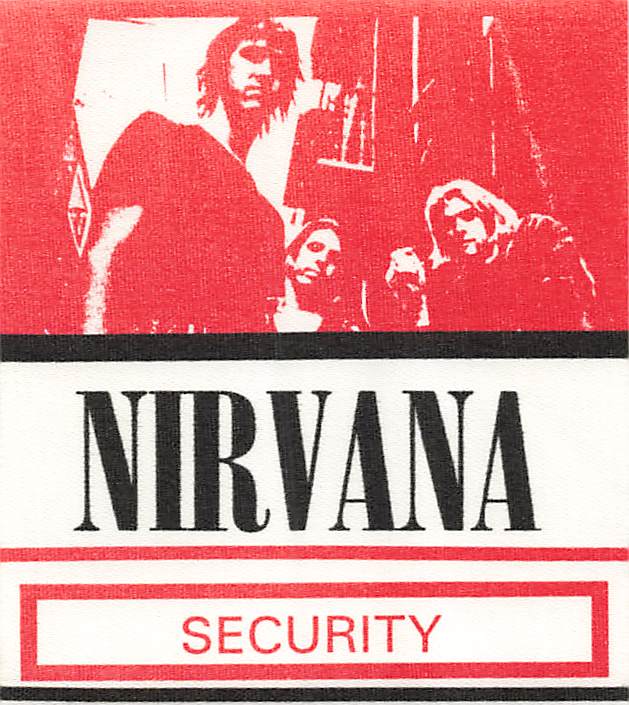
Why it matters: The last tour before Cobain’s death.
Design: Minimalist and bleak, reflecting the album’s tone.
The passes from Nirvana’s In Utero tour were quiet in design but loud in meaning. In hindsight, their starkness feels eerie – just like the music. With simple graphics and minimal text, they signaled a band retreating from fame even while touring the world. Today, they’re not just collectibles, they’re fragments of a moment right before everything collapsed.
4. Prince – Lovesexy Tour (1988)

Why it matters: Laminates as high-concept design.
Design: Vibrant, stylized, and sometimes oddly shaped.
Prince didn’t do boring. His Lovesexy tour passes reflected his visual imagination; bold colors, spiritual imagery, and occasionally non-rectangular formats. They weren’t just passes; they were miniature mood boards for the tour’s aesthetic. Holding one feels like you’re wearing part of the wardrobe, not just carrying a credential. For collectors who love the intersection of design and performance, Prince passes hit different.
5. The Rolling Stones – 1981 U.S. Tour Pass
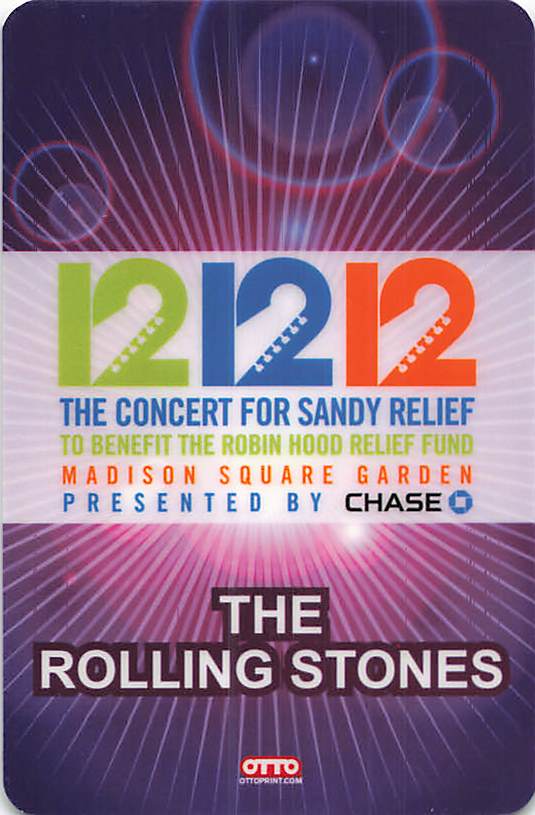
Why it matters: Stadium rock excess, in full swagger.
Design: Glossy, bold type, flashy logos.
The Stones’ 1981 U.S. tour helped shape what modern arena rock looks like, and their laminate passes were built for scale. Easy to recognize, boldly branded, and mass-produced but still revered. These credentials weren’t just for the inner circle; they were signs of status in a rock empire. Today, they’re among the most widely collected because they embody the peak of big-stage bravado.
6. Talking Heads – Stop Making Sense Tour (1983–84)
Why it matters: Iconic tour, cooler-than-cool minimalism.
Design: Clean lines, stark fonts, low color.
Just like the band’s sound, Talking Heads’ Stop Making Sense passes were clean, cerebral, and stripped of flash. They didn’t need to scream they let the tour do the talking. Their simplicity, paired with the cultural significance of the film that followed, gives these passes an understated prestige. It’s design that doesn’t try too hard, which makes it unforgettable.
7. David Bowie – Glass Spider Tour (1987)
Why it matters: High drama, high concept, high Bowie.
Design: Neon tones, abstract illustrations, theatrical flair.
The Glass Spider tour divided fans and critics, but the laminates were undeniably Bowie. They looked like something out of a futuristic dream: neon colors, bold lines, and no shortage of personality. Whether or not you loved the show, these passes are visually distinct and unmistakably tied to a singular creative force. For collectors, they’re part of Bowie’s ever-changing visual legacy.
8. Beastie Boys – Ill Communication Tour (1994)

Why it matters: Peak ’90s counterculture crossover.
Design: Gritty, DIY, and full of punk-hip-hop edge.
Beastie Boys were never clean-cut, and neither were their tour passes. These laminates looked like zines in plastic, rough typography, cut-and-paste graphics, and a dose of street-level chaos. They capture a moment when the Beasties stood at the crossroads of skate, punk, and hip-hop culture. For collectors who lived through it (or wish they had), these passes are attitude you can hold.
9. Pink Floyd – The Wall Tour (1980–81)

Why it matters: Rare tour, iconic concept.
Design: Stark imagery, militaristic fonts, symbolic graphics.
The Wall was an album, a film, and for a brief period, a mind-bending stage show. The laminate passes from this limited tour echoed its themes: control, alienation, and spectacle. They weren’t just practical they were part of the narrative. And because so few shows were performed, authentic passes are extremely rare. For Floyd collectors, they’re the crown jewel.
10. Lollapalooza – 1991 Original Tour Pass
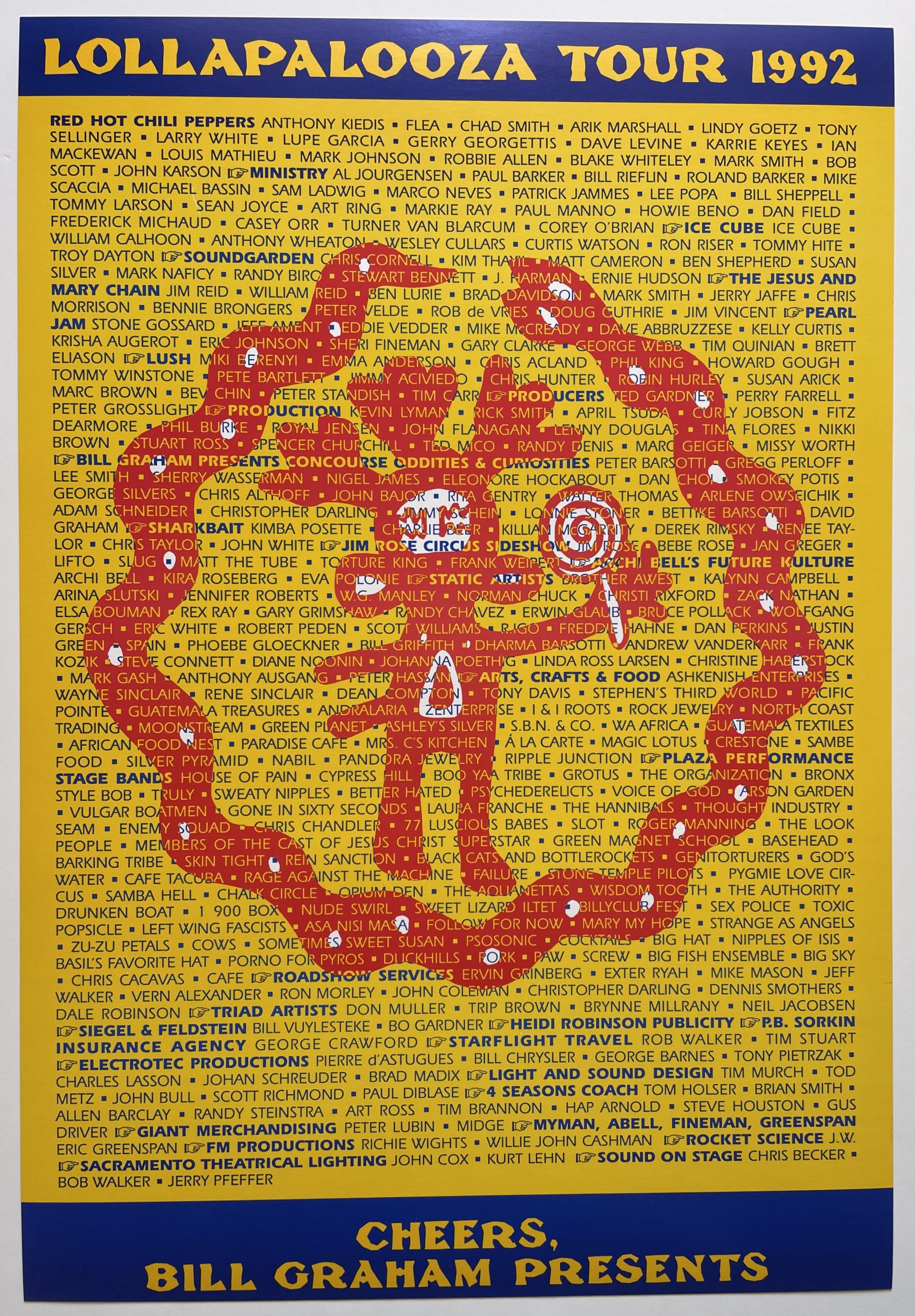
Why it matters: Alt-rock’s breakout moment.
Design: Psychedelic, chaotic, full of color and rebellion.
Before it became a corporate festival brand, Lollapalooza was a one-off concept by Perry Farrell. The original 1991 tour featured Jane’s Addiction, Nine Inch Nails, and Ice-T, bridging subcultures and smashing genre lines. The passes looked just as chaotic, with wild art and counterculture vibes. Owning one is like holding a backstage invitation to the moment alternative music stopped being niche and started being culture.
Last Thoughts
Laminate passes weren’t created to be kept—but that’s what makes them so compelling. They weren’t for sale, and they weren’t for fans. They were for the people who made the moment happen. That’s what gives them their power today.
These little rectangles of plastic are more than memorabilia—they’re credentials from music history itself.