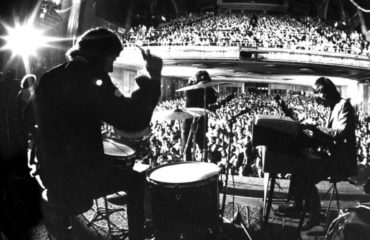



Music is a universal language that uniquely identifies a culture, a community, and even an individual. It shapes who we are and connects strangers through a shared, intangible bond. Let’s explore the origins of the world’s most iconic music genres, each born from unique places and pivotal moments in history. These genres were shaped by cultural, social, and technological influences and brought to life by legendary artists. Join us as we journey through the birthplaces of these genres and celebrate the musicians who have left an indelible mark on the soundscape of our lives.
Birthplace of Pop
United States and United Kingdom
The 1950s saw the rise of pop music, a fresh sound that took the world by storm. This era marked a significant cultural shift, with teenagers emerging as a distinct consumer group. The explosion of television and radio helped pop music spread like wildfire. Characterized by catchy melodies, simple chord structures, and a focus on vocals, pop music blended influences from rock and roll and other styles to create unforgettable tunes. Now, let’s meet the artist who moonwalked his way into our hearts and became the face of this global phenomenon.

Enter the King of Pop: Michael Jackson
Ladies and gentlemen, in this corner, hailing from the heart of pop music’s explosion in the 1980s, the undisputed King of Pop, the legend, the icon… Michael Jackson! With hits like “Thriller” and “Billie Jean,” Jackson revolutionized pop music with his unparalleled talent and captivating performances.
Birthplace of Rock
United States
Rock music was born in the late 1940s and early 1950s, a time of massive social change. Blending African American rhythm and blues with country and gospel, rock ‘n’ roll captured the rebellious spirit of the youth. The post-war era fueled a new consumer culture where young people found their identity and expression in this electrifying new sound. Known for its powerful guitar riffs, driving rhythms, and rebellious lyrics, rock music quickly became a cultural force. And now, let’s introduce the Fab Four who forever changed the face of rock.

The Beatles: Rock’s Revolutionary Icons
Get ready to rock! Emerging from the revolutionary 1960s, it’s the band that changed everything… The Beatles! Though not native to the USA but hailing from the UK, The Beatles significantly increased rock ‘n’ roll’s popularity. With their innovative sound and timeless classics like “Hey Jude” and “Let It Be,” The Beatles set the gold standard for rock music.
Birthplace of Hip Hop
United States
In the 1970s, the Bronx was a mixing pot of creativity amidst urban decay and social upheaval. Hip hop rose from block parties where DJs mixed tracks and MCs rapped over beats. This new musical art form provided a leading voice for the marginalized, turning the harsh realities of inner-city life into a vibrant and influential culture. Characterized by rhythmic verses, beatboxing, and sampling, hip hop became a movement of self-expression and social commentary. An enduring figure stands among the others as the artist who became the voice of this powerful movement and remains an icon of hip hop.
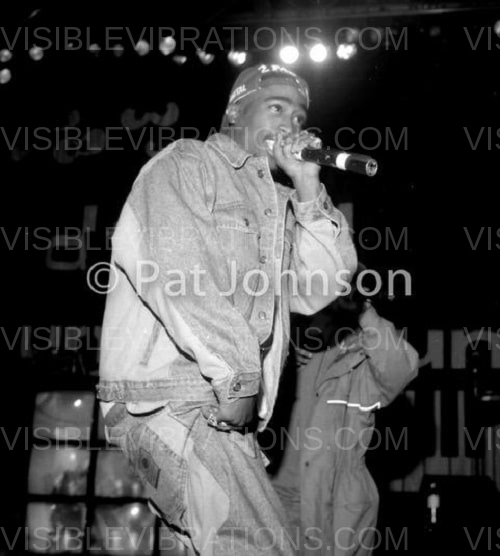
Tupac Shakur: Hip Hop’s Poetic Prophet
From the streets of the Bronx, New York City, rising to become the voice of a generation, the poet, the prophet… Tupac Shakur! With his powerful lyrics and social commentary, Shakur’s hits like “California Love” and “Changes” resonate deeply.
Birthplace of R&B
United States
R&B exploded in the 1940s, as African Americans migrated from the rural South to urban centers in the North. This movement created a melting pot of musical traditions, resulting in a sound that was both soulful and electrifying. During the Civil Rights Movement, R&B became the soundtrack of change, its emotive lyrics fueling the fight for equality. Featuring smooth vocals, lush harmonies, and a strong rhythm section, R&B blended elements of jazz, gospel, and blues. Now, let’s pay homage to the Queen who reigned supreme over this genre.
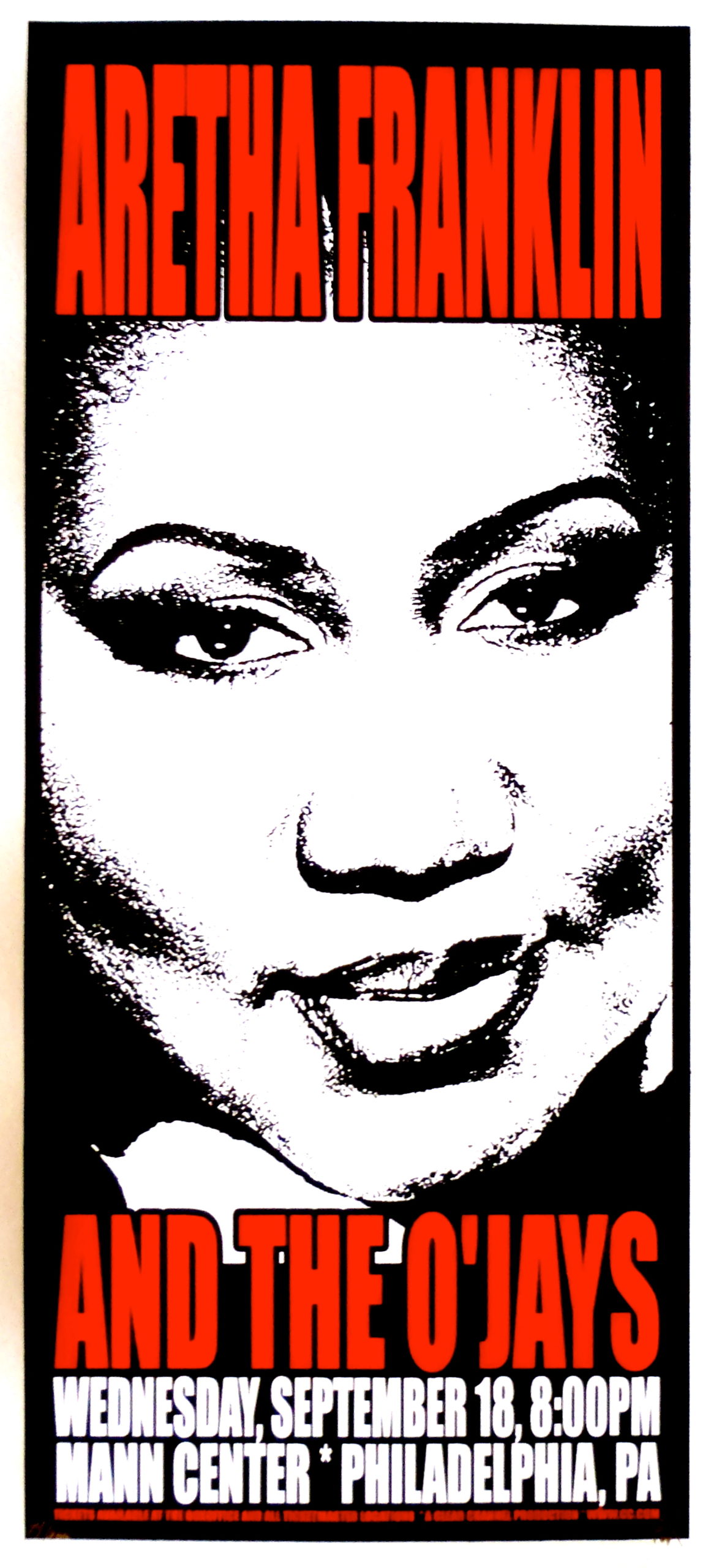
Aretha Franklin: The Queen of Soul
And now, ladies and gentlemen, the Queen of Soul, the voice that defined an era… Aretha Franklin! Bringing R&B to new heights with her soulful voice and powerful songs like “Respect,” Franklin’s influence is legendary.
Birthplace of Electronic Dance Music (EDM)
United States and Europe
The 1980s saw the birth of EDM, with house music emerging from Chicago’s underground club scene and techno taking shape in Detroit. This new genre was all about electronic beats and high-energy sounds. Meanwhile, Europe embraced these styles, sparking the rave culture that brought together massive crowds in ecstatic, dance-fueled gatherings. EDM is characterized by synthesized beats, repetitive rhythms, and pulsating basslines. It’s time to introduce the masked marvels who set the stage for EDM.

Daft Punk: EDM’s Trailblazing Duo
Prepare to dance! From the heart of the electronic revolution, the trailblazing duo… Daft Punk! Known for their innovative sounds and hits like “One More Time,” Daft Punk have set the stage for EDM.
Birthplace of Country
Southern United States
Country music found its voice in the 1920s, rooted in the rural South. This genre drew from folk, Western, and blues traditions, weaving stories of love, hardship, and everyday life. During the Great Depression and Dust Bowl era, country music became a beacon of hope and resilience for countless Americans. Characterized by its use of acoustic instruments, heartfelt lyrics, and storytelling, country music resonated deeply with its listeners. Let’s meet the legendary Man in Black, whose music encapsulates the heart and soul of country.

Johnny Cash: The Man in Black
Ladies and gentlemen, the Man in Black, the storyteller of our times… Johnny Cash! With his deep voice and heartfelt songs like “Ring of Fire” and “I Walk the Line,” Cash’s music resonates with authenticity and soul.
Birthplace of Jazz
New Orleans, Louisiana, United States
Jazz erupted in the early 20th century in New Orleans, a city teeming with cultural fusion. African American musical traditions mingled with European classical elements to create a genre defined by improvisation and complex harmonies. Jazz became the heartbeat of the Roaring Twenties and the Harlem Renaissance, symbolizing modernity and artistic freedom. Known for its swing, syncopation, and blue notes, jazz captivated audiences with its dynamic and spontaneous performances. Now, let’s shine the spotlight on the Satchmo who defined this genre.

Louis Armstrong: Jazz’s Trumpeting Virtuoso
Stepping into the spotlight, the pioneer of jazz, the trumpeting virtuoso… Louis Armstrong! With hits like “What a Wonderful World,” Armstrong’s influence on jazz is profound.
Birthplace of Reggae
Jamaica
Reggae burst onto the scene in the late 1960s in Jamaica, evolving from ska and rocksteady. Heavily influenced by Rastafarianism, reggae carried powerful messages of social justice, peace, and unity. By the 1970s, reggae’s laid-back rhythms and conscious lyrics had captured the world’s attention. Characterized by its offbeat rhythms, relaxed tempo, and socially conscious lyrics, reggae became a voice for the oppressed. Let’s meet the musical prophet who became the global ambassador of reggae.

Bob Marley: The Messenger of Peace
And now, from the sun-soaked shores of Jamaica, the ambassador of peace and love… Bob Marley! Spreading the message of unity with hits like “One Love” and “No Woman, No Cry,” Marley’s music has become the anthem of reggae.
Each of these genres has a unique birthplace and has been propelled by extraordinary artists who have left a lasting legacy. From the energetic beats of hip hop in the Bronx to the soulful melodies of R&B in the United States, the world’s music scene is rich and diverse, reflecting the cultural tapestries from which these genres emerged. For music lovers, understanding these origins deepens the appreciation of the sounds that continue to shape our lives.